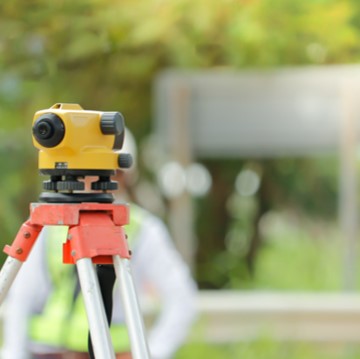

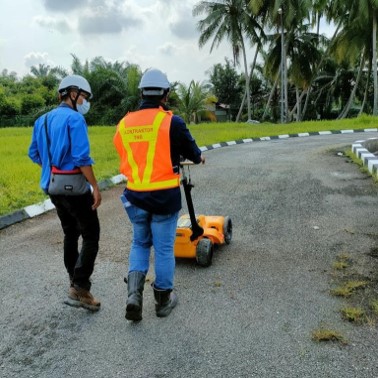
The survey composes a highly detailed below surface profile using the latest technology, including Ground Penetrating Radar (GPR) equipment, and Electro-Magnetic Locators (EML).
This technology is used to interpret reflected signals from structures, services, buried objects, and layers beneath the ground – ultimately providing vital detail required for project planning ahead of any prospective works
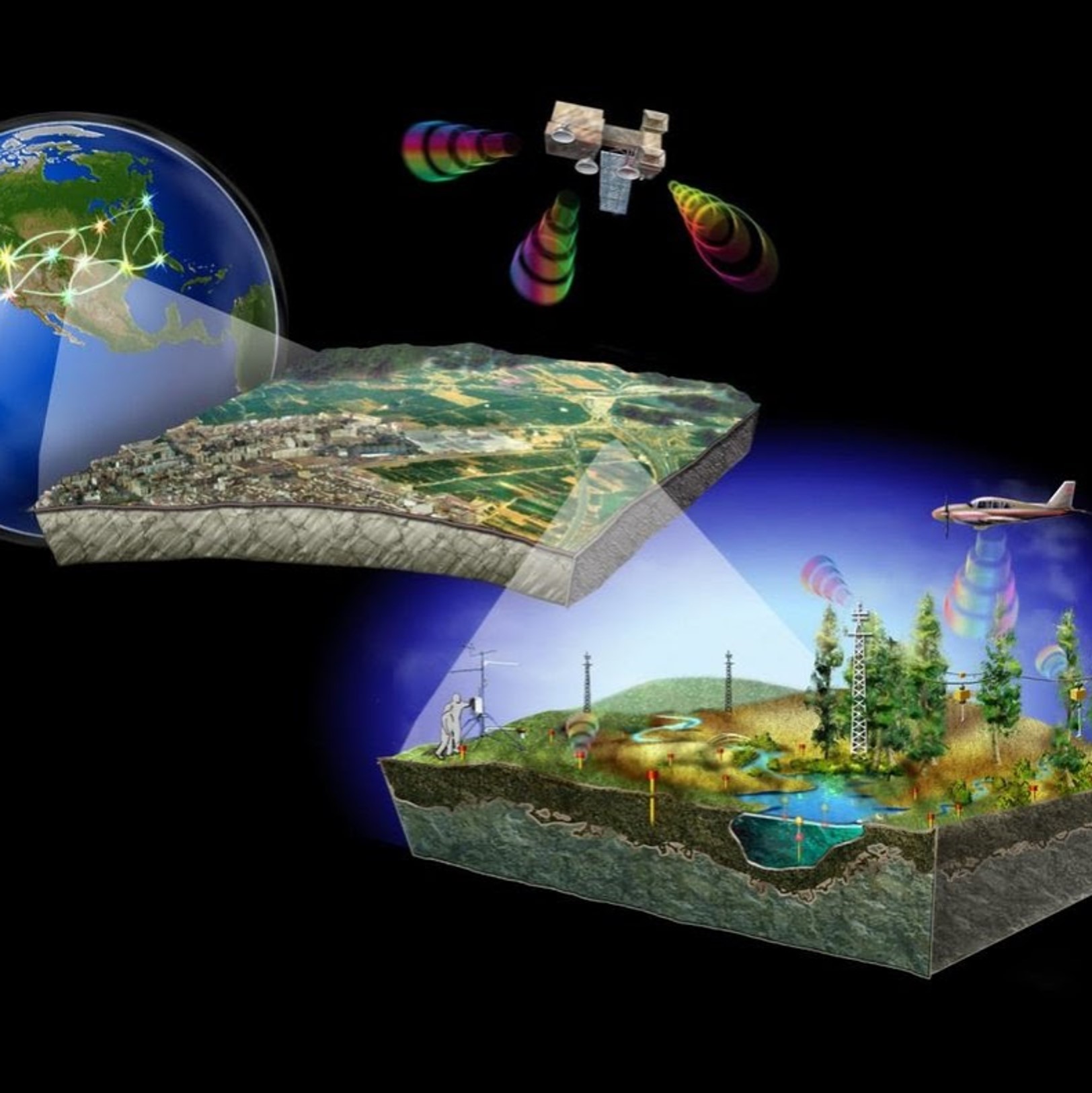
Remote sensing is used in numerous fields, including geography, land surveying and most Earth science disciplines such as in hydrology, ecology, meteorology, oceanography, glaciology and geology.
It also has military, intelligence, commercial, economic, planning, and humanitarian applications, among others.
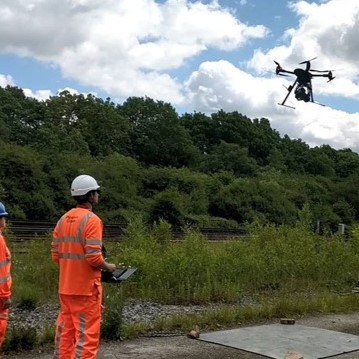
In current usage, the term "remote sensing" generally refers to the use of satellite or aircraft-based sensor technologies to detect and classify objects on Earth.
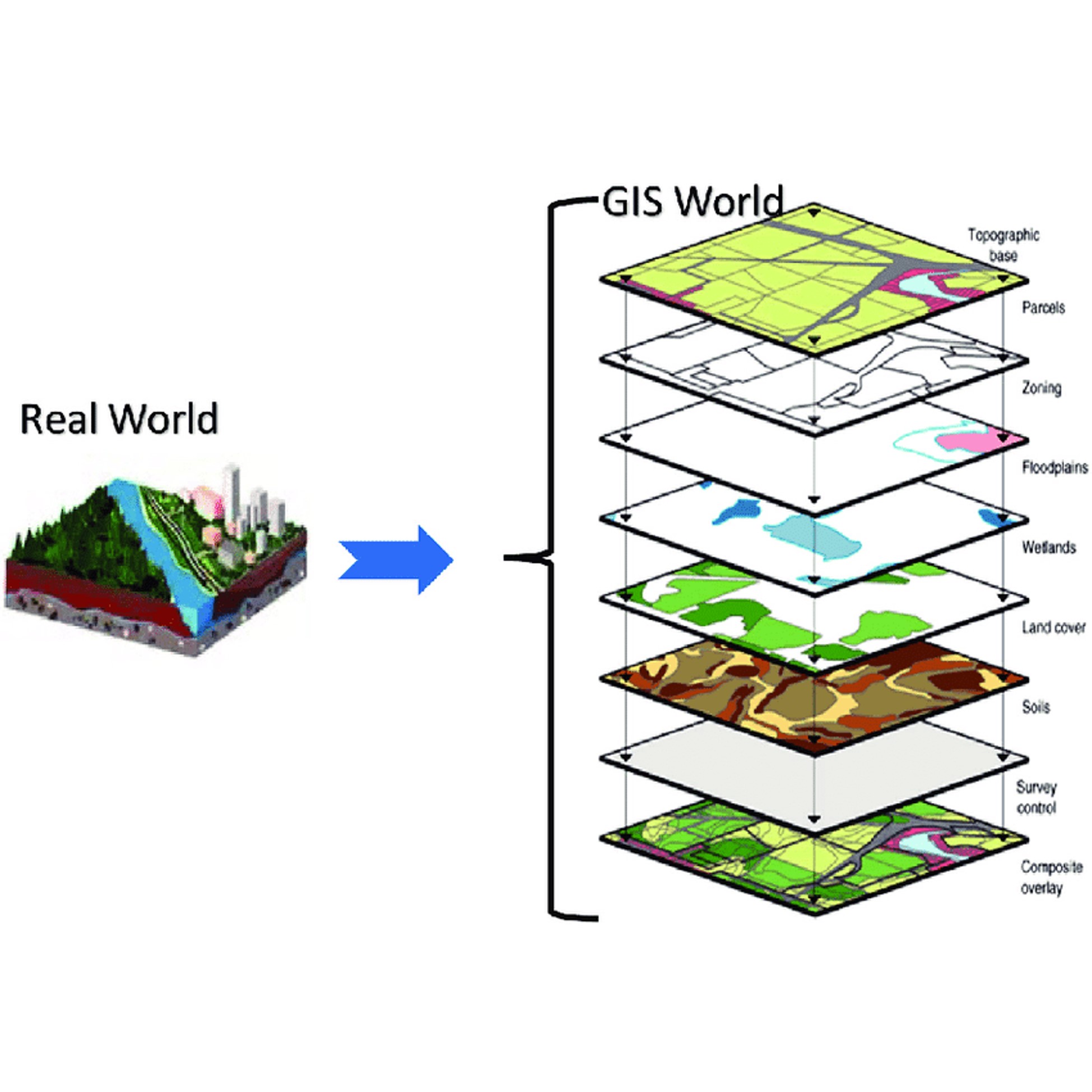
Rooted in the science of geography, GIS integrates many types of data. It analyzes spatial location and organizes layers of information into visualizations using maps and 3D scenes.
With this unique capability, GIS reveals deeper insights into data, such as patterns, relationships, and situations—helping users make smarter decisions
Our company provides high quality consultation on subdivision/partition of land, conversion of lands, amalgamation of lands, surrender and re-alienation of Lands, subdivision of buildings and land parcels for strata title purposes and other related land matters